Secretariat
Department of Emergency & Critical Care Medicine,
Nagoya University Graduate School of Medicine
Tsurumai-cho 65, Showa-ku, Nagoya 466-8550, Japan
Congress Secretariat
c/o Japan Convention Services, Inc.
Keihanshin Yodoyabashi Bldg. 4-4-7 Imabashi,
Chuo-ku, Osaka 541-0042, Japan
E-mail:
jsicm54@convention.co.jp

Greeting
The 54th Annual Meeting of the Japanese Society of Intensive Care Medicine
Congress President
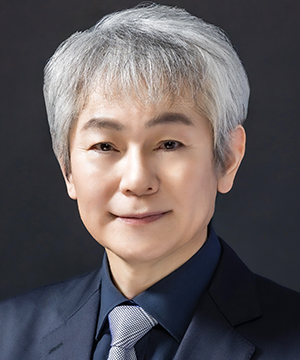
Prof. Naoyuki Matsuda, M.D, Ph.D.
Department of Emergency and Critical Care Medicine,
Nagoya University Graduate School of Medicine
The Japanese Society of Intensive Care Medicine (JSICM) was founded in 1974 and celebrated its 50th anniversary in 2024. Since its inception, the JSICM has contributed to the advancement of clinical practice through a steadfast commitment to education and academic exchange. In recent years, its international presence has continued to expand, and with the World Congress of Intensive and Critical Care scheduled to be held in Japan in 2029, our global engagement is entering a new and promising phase.
It is my great honor to announce that the 54th Annual Meeting of the JSICM will be held from May 12 (Wednesday) to May 14 (Friday), 2027, at the Kyoto International Conference Center and The Prince Kyoto Takaragaike. Intensive care medicine and critical care medicine have made remarkable progress through the outstanding clinical expertise and tireless academic dedication of its members. I would like to express my deepest respect and sincere gratitude to all who have contributed to these advancements.
The theme of this meeting is “Intensive and Critical Care Advancement — One Team, United for the Future.” It is our hope that this gathering will serve as a platform to bring together diverse expertise and perspectives, fostering new collaborations and paving the way toward a shared and forward-looking future.
In comparison with healthcare systems in other countries, Japan has developed a well-structured healthcare system aligned with national policy, encompassing four functional stages of care: advanced acute, acute, recovery, and chronic phases. A key priority in Japan is to further strengthen the integration of intensive care with these diverse hospital functions, thereby enhancing the resilience and continuity of healthcare delivery.
Moreover, multidisciplinary collaboration in intensive care and critical care in Japan has matured significantly, with physicians, nurses, clinical engineers, pharmacists, physical therapists, and registered dietitians working in close partnership. The JSICM has been at the forefront of establishing comprehensive educational systems for these diverse professionals engaged in intensive care. We would be most grateful to learn from experiences in your respective countries, and to exchange insights on education and training across professions.
In addition, innovations driven by Japanese industry as well as industry partners worldwide have become a vital foundation supporting the advancement of intensive care. The integration of cutting-edge technologies—such as Tele-ICU, artificial intelligence (AI), and organ management systems—with pathophysiology and pharmaceutical sciences is expected to further enhance the quality of care and improve patient outcomes. It is our sincere wish that this meeting will serve as a nexus for such global connections.
We warmly welcome your participation and sincerely look forward to engaging in meaningful discussions with colleagues from around the world as we continue to advance the field of intensive care and critical care together.


© 2026 The 54th Annual Meeting
of the Japanese Society of Intensive Care Medicine